
A healthy daily routine – Ayurveda is an ancient science of life that focuses on the maintenance and promotion of health, prevention of diseases through various dietary and lifestyle plans, and treatment of diseases through various therapeutic means supporting the principle of “Swastasya Swastha Rakshanam” is. H. Maintaining the health of healthy people and “Aturashya Vikhar Prasamanam” i.e. H. Curing the diseases of the sick.
Ayurveda recommends dhincharya and ratricharya (daily life), ritucharya (seasonal activities), dietary guidelines, and sadvritta (mental health code of conduct) to maintain and promote health and prevent disease. Masu. Panchakarma (purification therapy) and various medicines for diseases, and Rasayana (rejuvenating medicine) to improve health and quality of life. Treatment uses readily available spices and herbs. Rasayana is used for longevity promotion and purification processes. Panchakarma removes toxins from the body.
Below are Ayurvedic diet and lifestyle interventions to follow to achieve a healthier life.
Dinacharya (day treatment)
Dinacharya is a daily routine that must be followed to maintain good health. Below is a simple routine to help you feel refreshed and rejuvenated.
- Prataruttanam
Early in the morning, he should rise two hours before sunrise (Brahmamuhurta). It is considered the purest time of the day. My body is well rested. The mind is alert, focused, and peaceful.
Contraindications: Gastrointestinal disorders and other medical conditions.
- Ushapana/Achaman
After waking up, wash your hands and feet and drink 04 anjali (a cup made with your palms together) of lukewarm or plain water, preferably in a copper or earthen container. Benefits: A regular habit of drinking water early in the morning promotes exercise and urination, improves digestion, minimizes digestive diseases, and slows down aging.
- Malamutla Visarjan (emptying natural impulses)
It is beneficial to develop the habit of suppressing your natural morning urges.
Effect: Helps maintain health and prevent disease. The natural tendency to suppress impulses (Vega Vidharan) is the cause of many diseases.
4. Danta Davan (Clean your teeth and tongue)
After defecating, clean your teeth preferably with an astringent, pungent or bitter plant such as Alka, Nimba, Nyagroda, Kadira or Karanja. After brushing your teeth, you should scrape your tongue with a curved scraper. You can also add fine powder of triphala (haritaki, bibhitaki, amalaki) or trikatsu (sunti, pippali, maricha) to honey to clean your teeth.
Benefits: Brushing your teeth removes build-up and improves your sense of taste. After cleaning your teeth and tongue, gargle with salt water to keep your gums, mouth, and throat healthy.
- Nasha Calum/Nasal Drop
Apply 3-5 drops of sesame oil/ghee or medicated oil. Spray Anutayla regularly in each nostril in the morning.
Benefits: Keeps eyes, ears, nose, head and shoulders healthy and prevents wrinkles, baldness and early gray hair. It also relieves diseases such as headaches, paralysis, sinusitis, mental disorders, spondylitis, skin diseases, relieves fatigue, improves vision and increases the strength of teeth.
Contraindications: Do not use in toxic conditions, digestive and respiratory diseases, and after the birth of a child.
- Gandush (mouth cleaning technique)
Fill the oral cavity completely with lukewarm or cold water mixed with a paste of tila tila (sesame oil), ghee, cold milk, honey and water and hold it until tears flow from the eyes and nostrils. Alternatively, gargle regularly with one of the treatments listed above.
Benefits: Improves sensory organ performance. Remove wrinkles. The graying of the hair is delayed and dark rings appear on the face. Eliminates and prevents cracked/chapped lips, excessive salivation, dry face, tingling sensation, shaking teeth, oral diseases, loss of appetite, taste disorders, visual disorders, sore throats, etc.
- Abhyangam (oil massage)
After the above process, massage the oil with sesame oil/mustard oil or coconut oil all over your body, especially your head, ears and feet. Medicated oils can also be used.
Benefits: Increases flexibility and suppleness of skin and muscles. Helps joints move freely. Promotes blood circulation. Strengthens the head and forehead, making hair darker, longer and with deeper roots. Helps you sleep healthy, improves your hearing, and contributes to maintaining your health.
*Foot oil massage, especially before bedtime, can improve vision and relieve leg fatigue and stiffness.
8. Vyayama / Exercise / Yoga
Exercise regularly to stay healthy until your forehead and armpits start sweating.

Benefits: Increases blood circulation and lung function, increases endurance and resistance to disease. Regular walking strengthens memory and improves digestion and sensory organ function.
Precautions: In case of diseases such as cough, tuberculosis, heart disease, etc., you should be careful in the selection and amount of exercise.
9. Kushaur Karma (cutting hair and nails)
Things like shaving, nails and hair cutting should be done regularly. H. At most once every 5 days. You will feel lighter and happier.
10. Udvarthana (herbal powder massage):
After training, massage the herbal powder all over your body in the opposite direction to the hair roots.
Benefits: Reduce fat, purify the skin, give strength to limbs, improve complexion, cure itching and rashes.
11. Sunana (bath)
Afterwards, take a bath with water that is neither too hot nor too cold.
Benefits: Removes dirt, sweat, itching, thirst, burning sensation and fatigue. It also improves appetite, longevity, courage and strength. Bathing in warm water also gives strength, but warm water should not be poured over head otherwise it causes loss of strength of the hairs and eyes.
Contradictions: Bathing is not recommended in people suffering from facial paralysis, diseases of eye, mouth, ear, flatulence, sinusitis, indigestion, diarrhoea and immediately after food intake
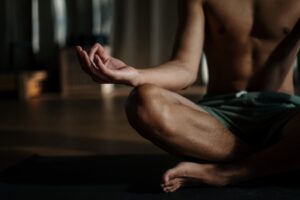
12. Dhyanam (Meditation)
For a few minutes to an hour sit in Peace for just a little while and meditate. Take a moment to calm down and look within yourself. The whole day, even the whole world, revolves around meditation. Meditation is an important part of Dinacharya as it contributes to self-awareness nutrition plan
Meals should be tailored keeping in mind Desha (region), Kala (time and season), and customs. Food should be delicious, fresh and presentable. Meals should be taken in a quiet and comfortable manner, in an appropriate location, with proper hygiene and with appropriate utensils.
A nutritious diet is essential not only to maintain good health but also to fight disease. Meals should be planned to include all six rasas (tastes). H. Sweet, sour, salty, bitter, spicy, astringent. Eat fruits and other madhur rasa (sweet) foods at the beginning of the meal, foods containing rasa amla (sour) and ravana (salty) in the middle, and foods containing katu (bitter), tikta (astringent), and kashaya (sharp). recommend to. ). It should be taken at the end of a meal. Meals should be balanced in terms of nutrients and quantity according to your digestive capacity. Avoid eating incompatible foods such as milk with fish. Do not eat raw and cooked food together, do not eat milk with salt, do not cook with honey or honey and ghee in equal parts, do not eat fruits with starchy foods such as potatoes. please. Especially hard substances should be chewed and eaten properly, not too quickly or too slowly, and while talking, laughing, or watching TV. If possible, quark or whey should be taken after meals
Food must not be very hot or completely cold
Water should be avoided at least 15 minutes before meals. You can drink water frequently, but only drink a small amount of water after meals. Avoid dry foods. Eating foods that are low in fat makes them easier to digest and improves the absorption of nutrients. The next meal should be consumed after the previous meal has been properly digested. Guru (heavy) foods should be consumed in limited quantities. Guru (heavy) food should not be consumed at night. Eat dinner 2-3 hours before bedtime. I recommend taking a walk of about 100 steps after dinner. After eating, heavy or manual labor should be avoided. It is recommended to take a short break to allow food to digest better.
Ratricharya (evening routine)
- Ratribhojan ( Dinner)
Dinner should be taken at least three hours before bedtime. It should be lighter than lunch consisting of only easily digestible food and consumed in warm state. Avoid consuming curd at night. Walk a hundred steps after dinner then lie in left lateral position for 10-15 min.
- sleep (nindra)
Sleep overcomes the wear and tear on the body caused by physical labor, mental stress and tissue loss. Adults sleep for an average of 6 to 7 hours, but children and the elderly sleep even longer. Sleeping during the day or late at night should be avoided. However, if you stay up at night, you can get some sleep during the day. Daytime sleep in summer is not contraindicated. However, in winter, daytime sleep can lead to respiratory and digestive problems. We recommend massaging your head, soles of your feet, and palms with oil before going to bed.